
Interoperability
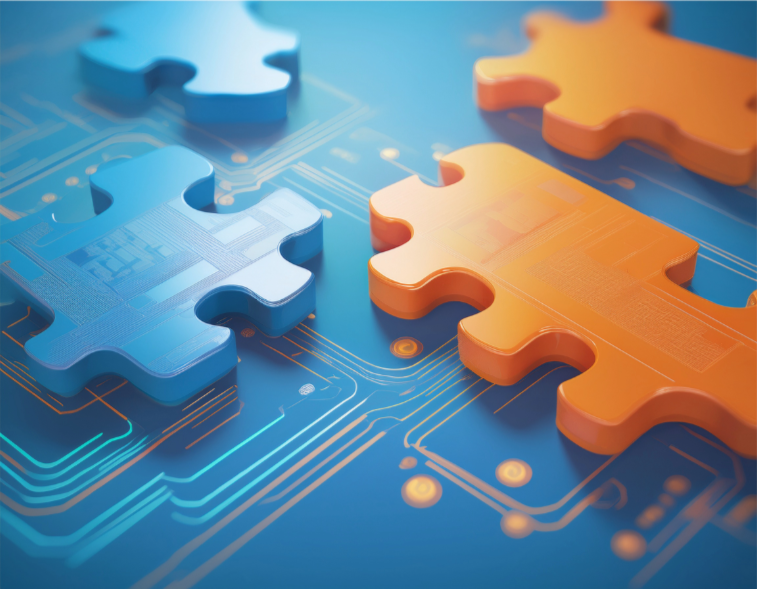
Organizations can struggle with data access and routine functions that require use of systems with different communication protocols, data formats, and even original programming languages.
These challenges can lead to inefficiencies, redundant processes, and impaired real-time data flow, compromising operational effectiveness and strategic decision-making.
Lymba employs a novel AI framework based on a Mixture of Expert Large Language Models (MoE LLM) and an AI agent-based hybrid system approach to automate system integration tasks such as message mapping, data unification, API integration, schema alignment among others.
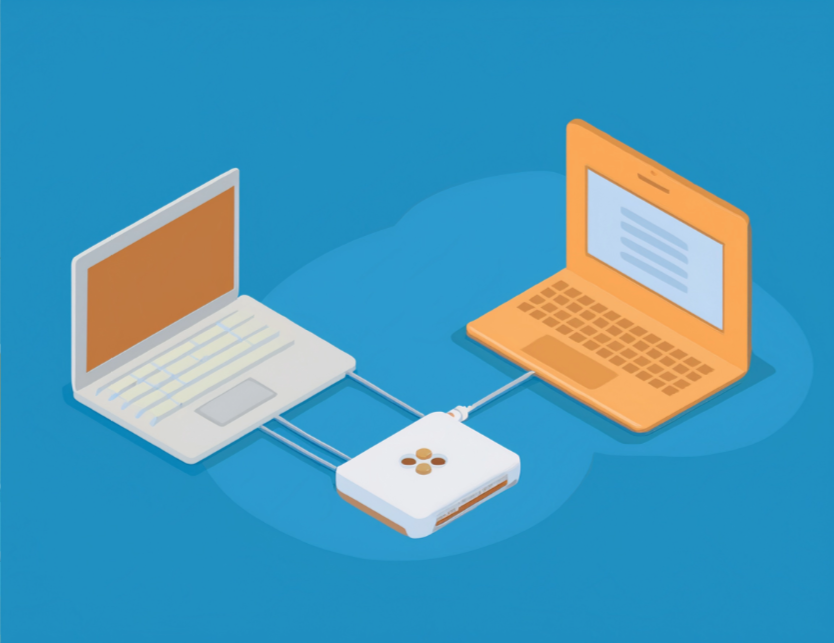
The following example use-cases and real-world scenarios illustrate the applications of our solution.
(1) For integrating a legacy COBOL logistics system with a modern JSON-based maintenance system, the ELITE AI framework will automatically analyze their disparate data formats and enable on-the-fly conversion.
(2) For consolidating disparate messaging protocols from legacy and modern Army systems, the ELITE AI framework will act as a bridge, converting proprietary formats to a standard Enterprise Service Bus (ESB) interface on the fly.
(3) For achieving semantic data unification from disparate battlefield sensors, the ELITE AI framework will consolidate telemetry from sources like UAVs and radars, which use varying formats and units, into a normalized dataset.
(4) For unstructured text mining, the ELITE AI framework will enhance interoperability by extracting structured information from natural language text like notes and emails, enabling systems with unstructured data to interact with structured data systems
(5) For dynamic service creation, the ELITE AI framework will automate rapid integration of systems by scanning technical documentation like API documents and dynamically generating API endpoints for data transfer, minimizing configuration effort
This architecture is highly scalable, enabling seamless integration of new agents for emerging tasks and additional expert submodels for enhanced performance in new operational domains. The multi-agent framework ensures improved quality of integrations through specialized components focused on well-defined tasks, reducing errors and enhancing reliability via validation and conflict resolution mechanisms.